The power of tabletop gaming
A look at Inis and a love letter to the art and design of modern board games.

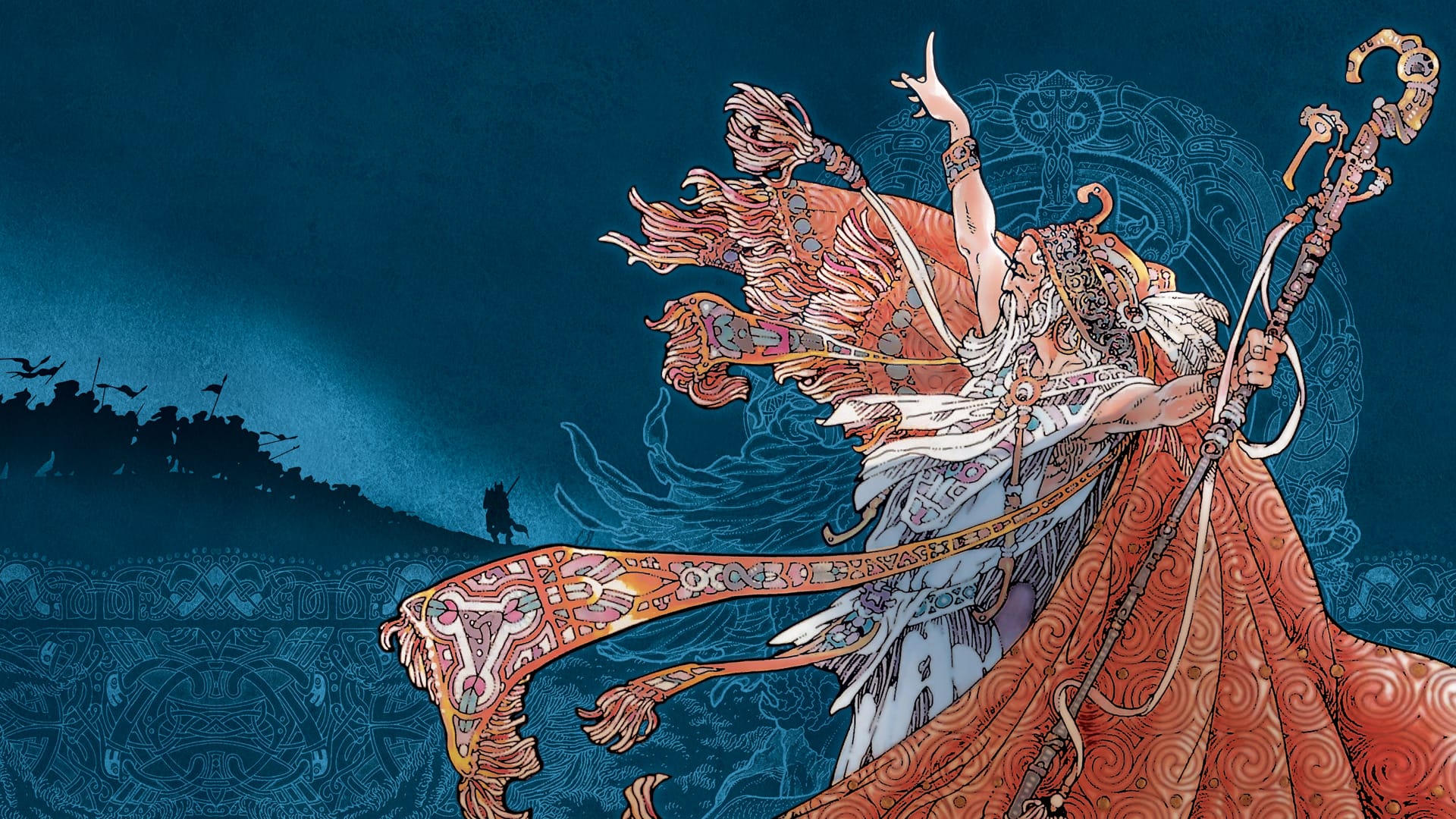
Designer Christian Martinez's Inis caught my attention for a number of reasons. Chief amongst them was the gorgeous box art, a testament to illustrators Dimitri Bielak and Jim Fitzpatrick for creating a completely unique-looking design that is both chic and captivating whilst also conveying a depth of character tied toward Inis' Celtic inspirations. Being so excitedly enthralled by its aesthetic, I placed it in a position of pride amongst by other board games for them all to reflect on how much better they could be. Nods of approval.
This leads handily to my second reason for being attracted to Inis's design, that being the representation of Celtic mythology and folklore as well as the possibilities of engrossing myself in this often overlooked pantheonic realm. My initial interest in this topic stems from a semester's study of Scandinavian, Norse and Celtic folklore including the likes of the Kalevala and other Finnish folk stories, the Prose Edda in Norse countries as well as (and most notably) the tales of the Ulster Cycle, where I was often transfixed by the stories of Cú Chulainn and his boyish misdeeds which led to equal amounts of woe, carnage, heartbreak and heroism.
Having never particularly engaged with modern myth-making from the likes of DC Comics or Marvel, instead, I found characters from these eras far more relatable. They were rough and imperfect, made drastic mistakes and yet shaped whole cultures through their perseverance and hard-fought deeds. It felt human in ways that high-fantasy often missed out on. Not until encountering Tolkien did fantasy ever feel so relatable. That's why I initially liked Inis' choice to steer away from generic tropes of Elves, Dwarves and Orcs and instead focus on matters which embed themselves into the fabric of ancient Celtic culture. Land disputes, battles over hearts & minds and the rise and fall of ancient kingdoms. It's capital E - Epic, in both senses of the word. Having been raised and engrossed in Irish history through my grandfather's heritage, I always enjoyed delving into this area of history as it so often felt I was connecting with a piece of myself as well as sharing that side of my familial history with the people I played alongside.
And this is what I think works really well in favour of board games like Inis. It draws you into one particular, hyper-focused setting for ever so brief a time, condensing the world around us and drawing us away from all the wider topics we fret and fuss over. In an era of pandemics and social isolation, board games to me have been an invaluable source of re-establishing my connection to my family and friends. So, when I get my hands on something which excites me as much as Inis has, my first reaction is to share it and pass forward that awesome power that board games singularly invokes. With my newest and oldest friends, we talk, laugh and tell stories. Of what our characters do and why they do it. We plot, scheme, trade, share and win. We play, play and play on.
S/O to Prof. A Hall at the University of Leeds for his enduring and engaging passion for all things medieval and folklore. I'm sure he'll never find or read this, but I'll always take time to thank the amazing teachers and mentors who have inspired me.
Until next time, Slán go fóill!
This article was originally written and published on my Ghost blog, August 2022. ↩