Project Hail Mary: sciencing the sh*t out of it
An appreciation of a film which eschews the typical confrontation format.
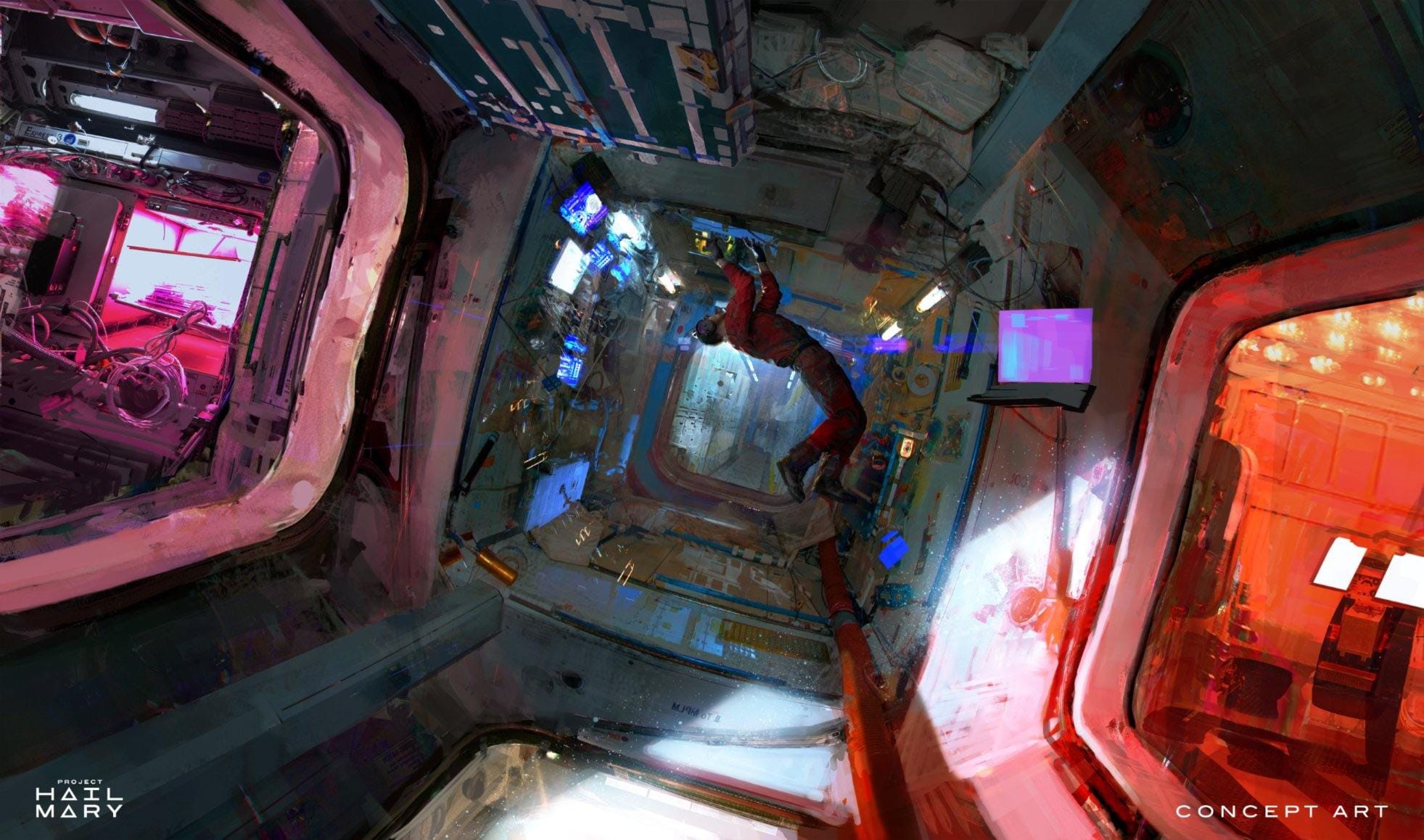
Like a lot of people earlier this year, I was drawn in by the allure of another sci-fi blockbuster when I started seeing the big billboard ads for Project Hail Mary. Well... I assume a lot of people, since no one in my family wanted to see it with me! 😅
But that actually transpired into being a really pleasant experience as my solitary venture into Everyman's cinema was the first movie I've gone to watch on my own; a decadent pleasure that, for the longest time, has felt inconceivable. But it was something I knew I would enjoy regardless because to me and many others, sci-fi can be an extremely 'cosy' escape from the doldrums and daily toil.
'Cosy' is a phenomenon I've been seeing pop up a lot lately in a myriad of communities, hobbies and genres, and something I've resonated with ever since my University days and late-night essay writing accompanied by lofi hip hop 📚 beats to study/relax to. This soundtrack of curated melodic tracks quickly became a backdrop for many of my walks around the city, times spent at the gym or even serving as a quiet ambient backdrop for a board game evening amongst friends.
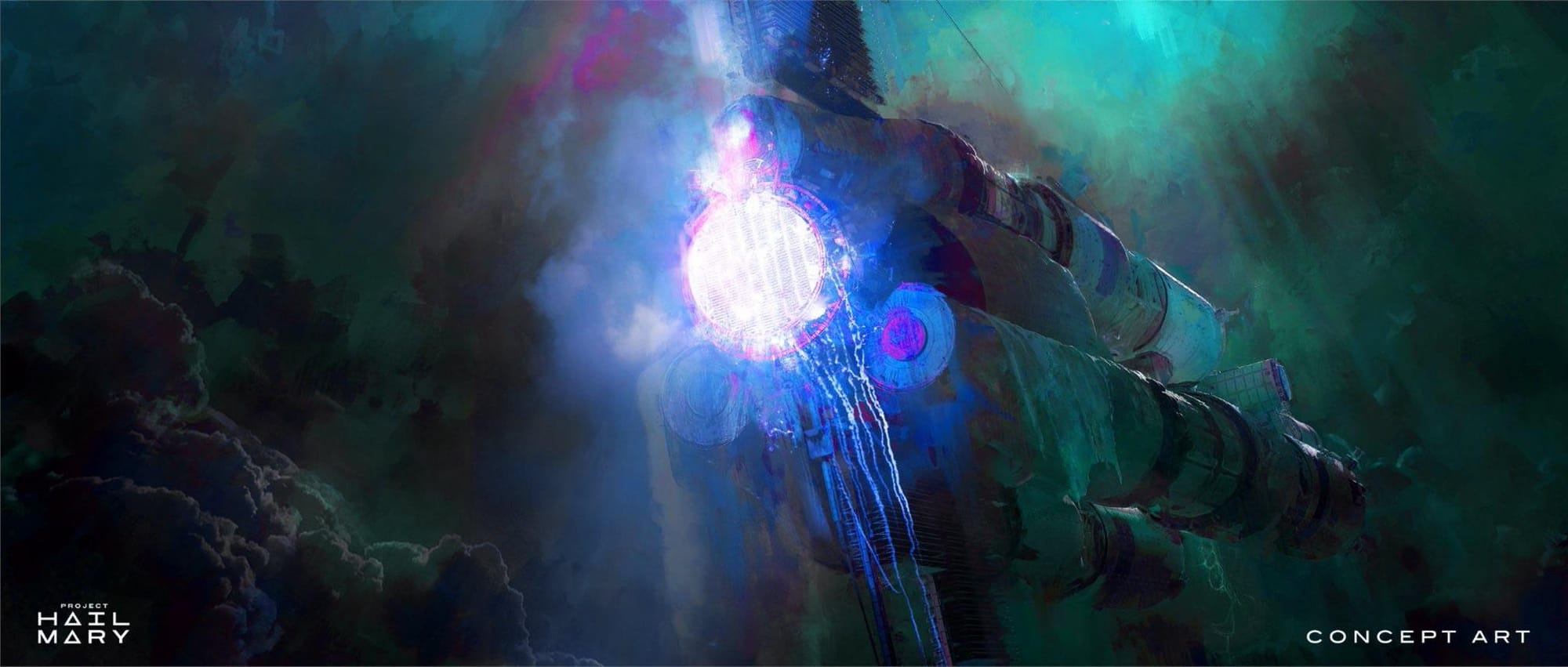
But this idea of sci-fi cosiness was affirmed to me after recently watching Hank Green's wonderful dissection of all the 'sciency' merits, faults and misgivings in the movie (link to his video). In his video, Hank talks a lot about the details of certain scientific components (like the invented astrophage microbe) and plot points in the movie, but he centres his chat around one principal idea: Project Hail Mary is a movie about solving problems.
"Wow, yes..." I thought when I heard that.
What may have felt immediately obvious to others was an observation that required utterance for me to recognise. When you draw comparisons from the author Andy Weir's previous work, The Martian, this observation is quite apparent. In both stories, there is no presence of a personified antagonist or opposing force. You could argue that astrophage is a threatening lifeform. Still, the reality is that the lifeform is not acting maliciously...it's just a simple organism consuming matter in the universe for survival. It just so happens that said organism is absorbing the heat of our sun and threatening humanity's existence.
Instead, the principal objectives of their main characters, Mark Watney and Ryland Grace, are effectively getting back to Earth and the normalcy with which their adventures began. The thing that's in the way of achieving said objective is a long series of problems, be they relating to: science, communication, survival, mathematics, or the all-too-relatable condition of not going insane when you're an isolated human light-years away from home. And that's exactly the challenge both characters overcome. Step by step, one problem after another, they solve the issues that they plan for (or sometimes don't when things start exploding). They experiment, form hypotheses, test their ideas and monitor their results. Solve enough problems and they get to come home.
And for our day and age, I just resonate with this cosy optimism so much. It's particularly helpful that Weir sets these works in the modern day, where the technology and scientific theories we understand are near identical to our own. And to witness someone with a seemingly insurmountable task in front of them; achieve what no one before has, continuously try and try again. To work the problem. To science the sh*t out of it. I'm glad there's media like that breaking into the mainstream, because we sorely need that optimism for today's scientific challenges.
This week's further Reading
A lovely consideration of the prevalence of karaoke features in media from my friend Jemima, including a special scene from this movie!
 Jemima Skala
And as I was writing this blog post, Hank Green dropped more Project Hail Mary content! This time on his newly launched audio-only podcast series Humans where he interviews Andy Weir, discussing a lot about his personal philosophies and outlooks that drive his creations. I don't agree with all of Andy's opinions, but it's a great listen nevertheless.