Cuddy: that feeling of coming home
My reflection on how the words and ideas from strangers can help you understand yourself better.

Without intending it, Durham Cathedral has slowly come to represent one of the most important structures in my life. So please indulge me reader, for a short while, whilst I take you on a meander down memory lane before returning to the titular subject of this post.
Durham, the city itself or its bounds, had very little significance or relevance to my personal life up until my mid-teens. Around this time my family moved a short distance across Gateshead into a DH postcode, a detail which was important for the specific fact that it put us neatly within the catchment postcode for my older sister and me to attend the nearby community school.
Later, it became the occasional location for a day trip with friends, a counter-balance to the bustle of Newcastle or a sun-drenched ferry down to South Shields. At the time, the small city represented something more sedate (dare I say boring), an excursion for the sake of breaking up the monotony in the rotation of day trips.
Little by little, however, the city began to take on more and more significance in my life, owing a lot to my partner. Our trips there represented something far more meaningful. Now, walks alongside the River Wear followed by a traversing of Prebends Bridge into the South Bailey climb towards the Cathedral began the invocation of many marvellous memories of times languishing in the Summer heat or wrapped up together with mulled wine as we traversed this city during cold Autumn nights during the now-discontinued Lumiere Festivals.
Years and years later, for reasons that almost feel fated in retrospect, I chose Durham Cathedral's pinnacle as the location where I would propose to my partner. Since then, the building and the connected history of its surroundings often feel inter-related to my own life.
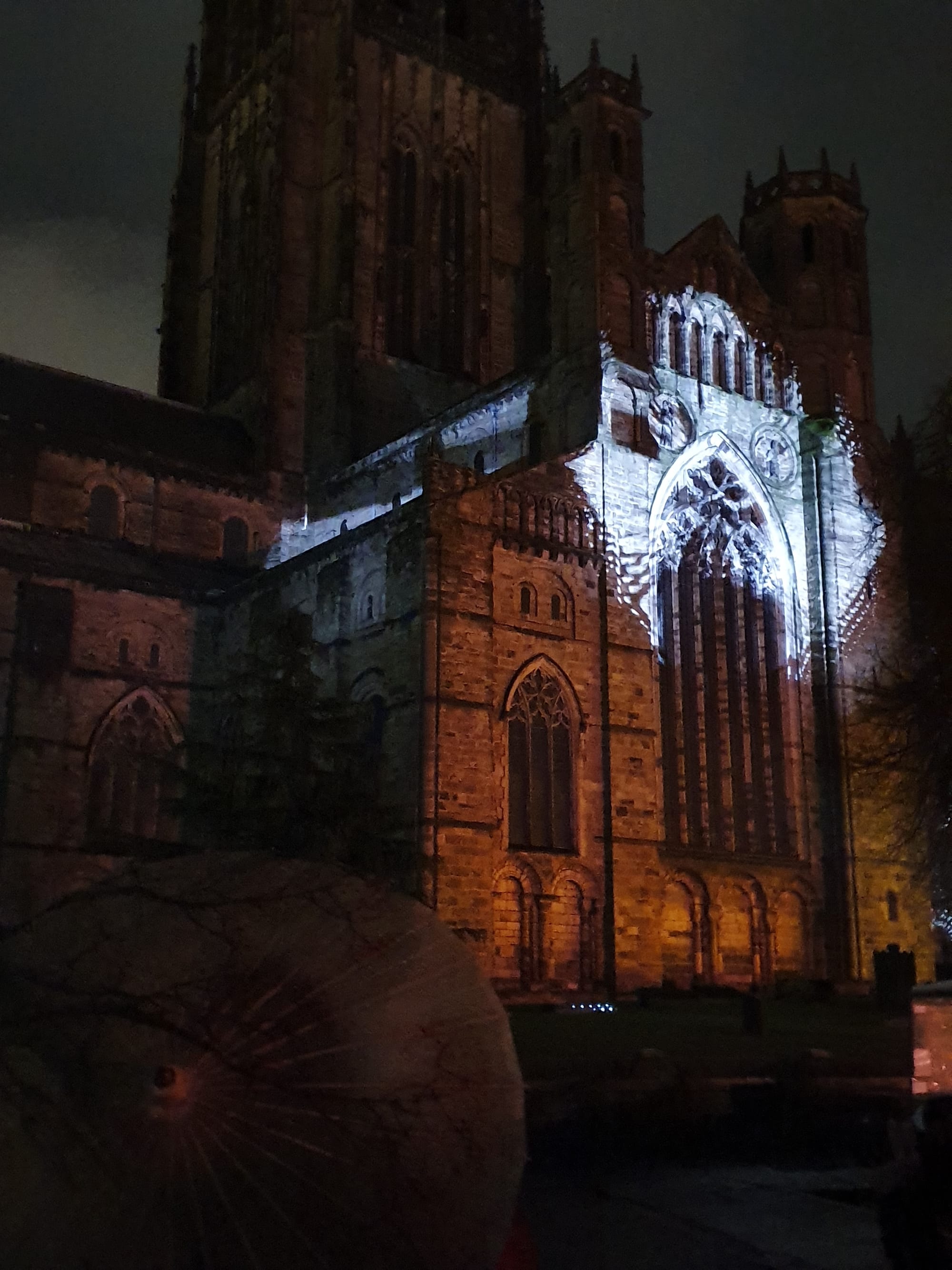
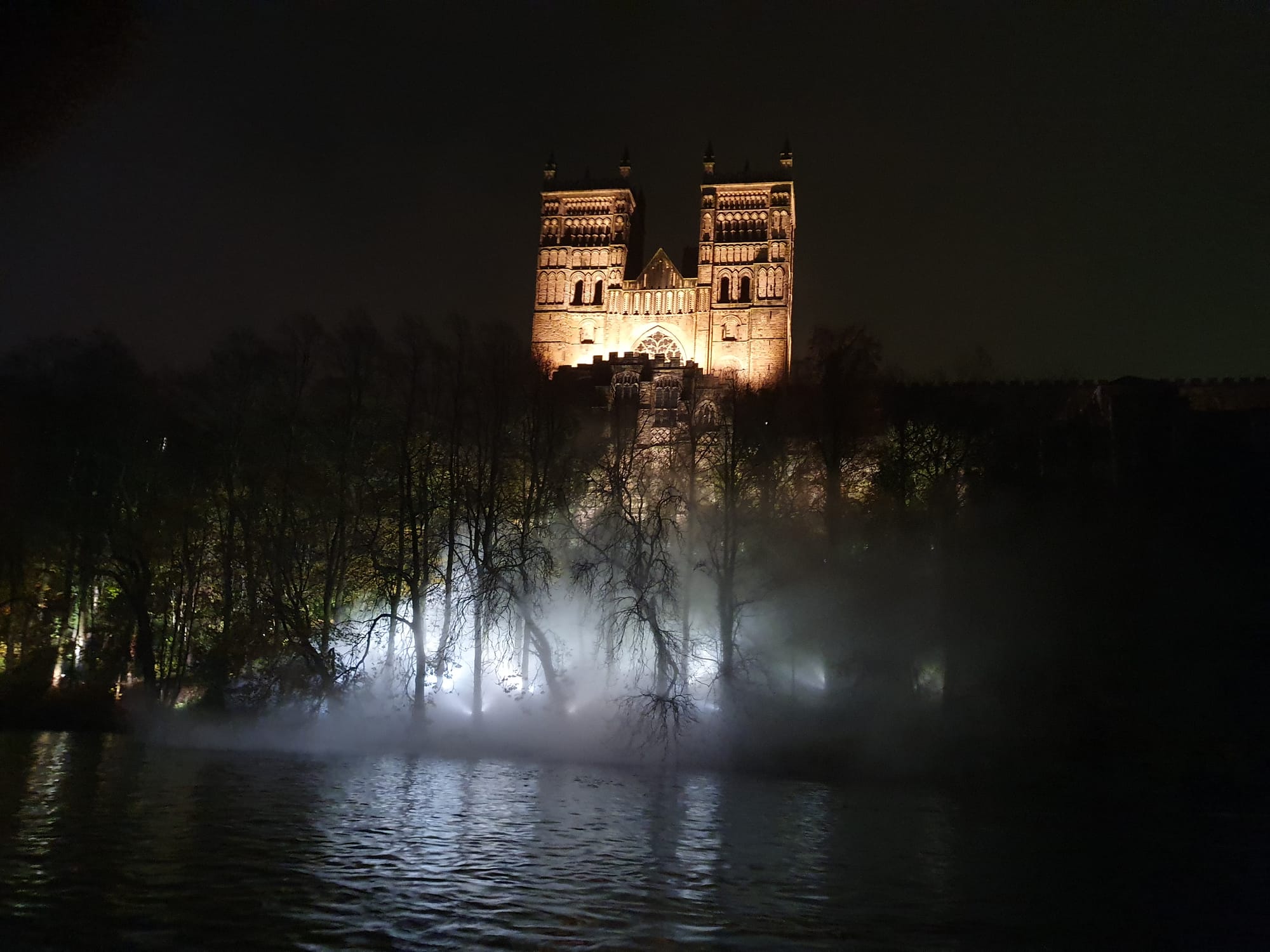
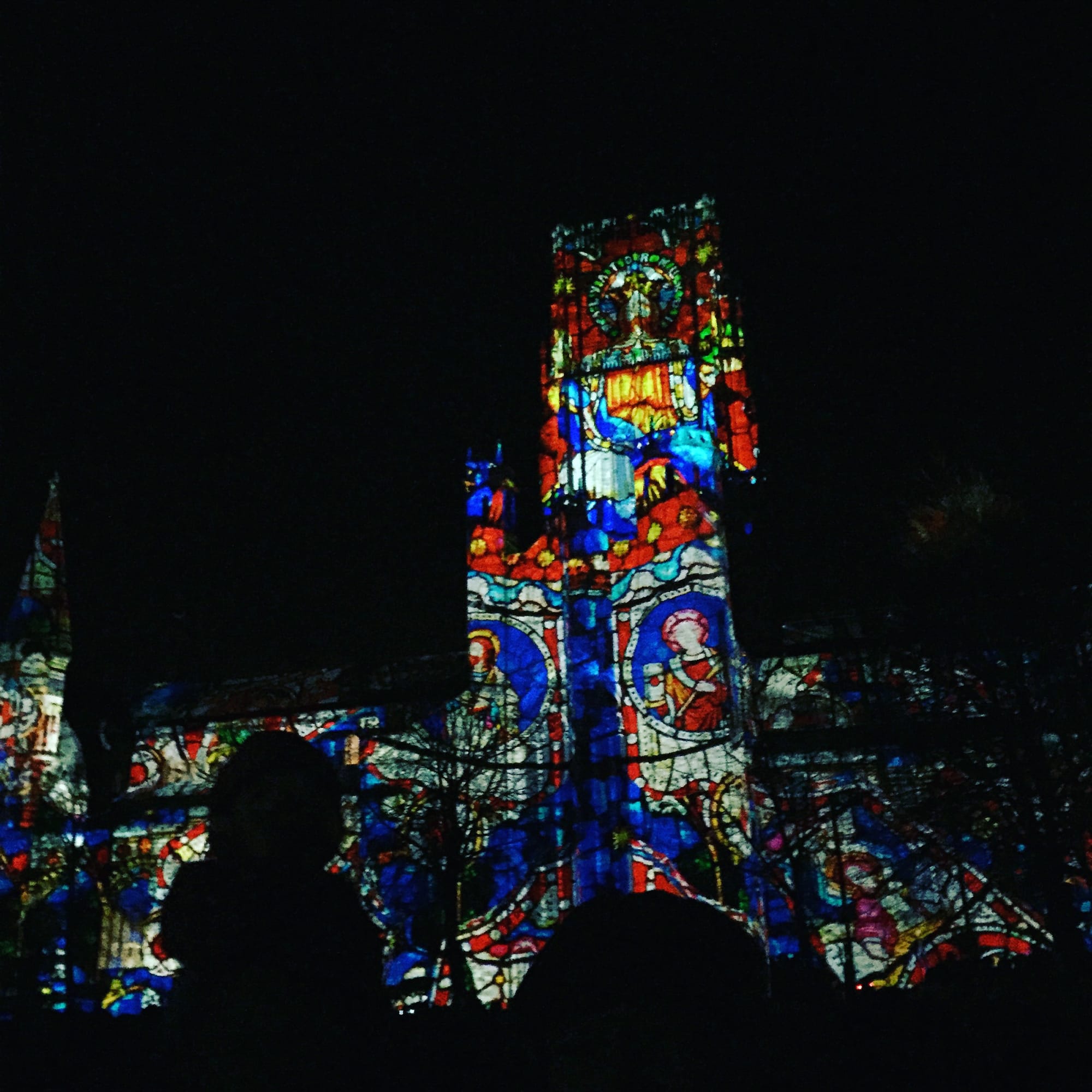
A selection of photos I took over the years during the course of the Durham Lumiere Festival (2009 - 2025).
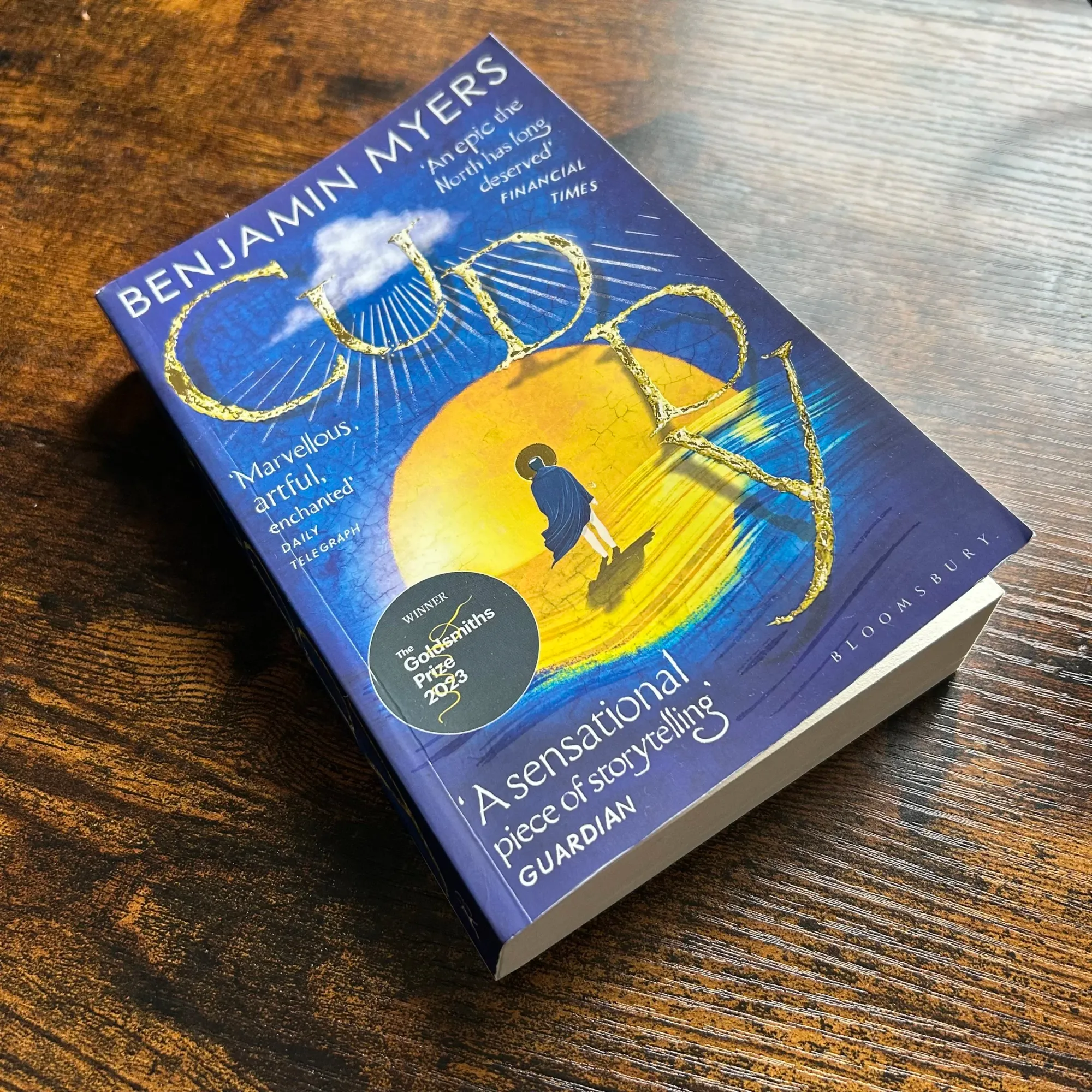
That is why when, earlier this year on my 30th birthday, I was elated to receive a gift from my friends (T & J 🧡) of Benjamin Myer's Cuddy, detailing the many narratives surrounding St.Cuthbert's journey from Lindisfarne unto his final resting place at Durham.
I had heard of the book prior to this point, from many friends both local and not, as a truly special piece of literature because of its loving portrayal of the North East of England.
Chapter by chapter, I couldn't help but draw particular comparisons to another old love of mine, the early titles from Ubisoft's Assassin's Creed series. There's a splendour of analogies to draw between these two subjects, but the ones I'll focus upon here are the recurring motifs of ancestry and the arresting power of observing the world through the eyes of an avian.
In Cuddy, there are many recurring motifs but none more apparent than each one of the four distinct chapters wherein a character is found to have the quality of possessing 'Owl Eyes'. This descriptor is often given to the characters who have the traits of being an outsider, not quite shunned from their peers, but existing on the fringes often due to their self-imposed distancing. Take the eponymous Owl Eyes from Chapter 1, a labourer and horse-handler who joins the nomadic monks on their journey to harbour the remains of Cuddy and sequester him to what will eventually become his resting place in the form of Durham Cathedral. It is clear that, when compared to the supercilious monks and priests in the coffin's retinue, Owl Eyes retains a more stoical and penetrating concept of their journey to find St. Cuthbert's resting place.
By comparison, in Assassin's Creed first title, sharing the same name, the protagonist Desmond is made to enter the 'animus machine' owing to his lineage from a long line of historical vigilantes, the Assassin's Order. At first, it appears as if Desmond is solely observing the life and actions of his ancestors through the animus. But later in the game, it's clear that Desmond is starting to inherit some of the skills, proficiencies and traits of his ancestors - the most crucial being the 'Eagle Vision'. This vision is a distinct hereditary trait of Desmond's, which allows the user to discern the world in an altogether altered state. As the controlling player, you can activate this heightened sensory state to find enemies and targets amidst a dense cityscape.
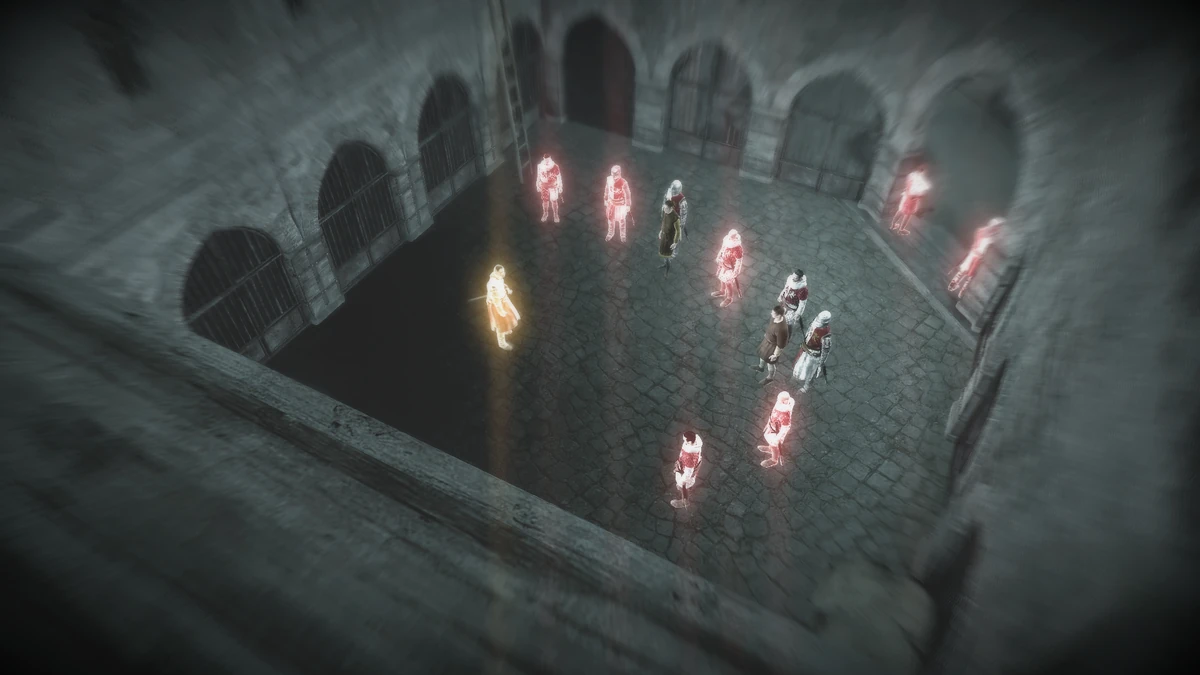
I adore the application of this concept as a literary and gaming device. In both cases, the avian quality of these characters sets them apart from their surroundings, giving them a heightened perspective from which to observe the world in a new way.
And the emotional resonance for me is amplified, as this heightened perspective, the kind that was experienced by Owl Eyes and Desmond, was endowed upon me when I spoke my words of proposal atop the Cathedral's tower. Here, I expressed how being up high always provided me an opportunity to reflect on my life and the places I was going. And on that high place, I knew our life was heading in a wonderful direction.
I love that a book, which came to me three years hence, could transport me back to these memories and thoughts. It reminds me of this quote from Alan Bennet's play The History Boys:
I'm sure you'll have experienced this wonderful feeling too, of a connection with a stranger that somehow brings you closer to an idea of who you really are amongst everyone else, like a feeling of coming home.