Artificially Unintelligent and the source of creativity.

Having started my career in the tech industry just a little under a year ago, I've spent a fair amount of time online researching and discovering tech solutions related to my work. Hours and hours filling up my cookies with juicy details about the latest and greatest solutions to modern digital needs. And what has all this searching brought about? You guessed it - weird ads.
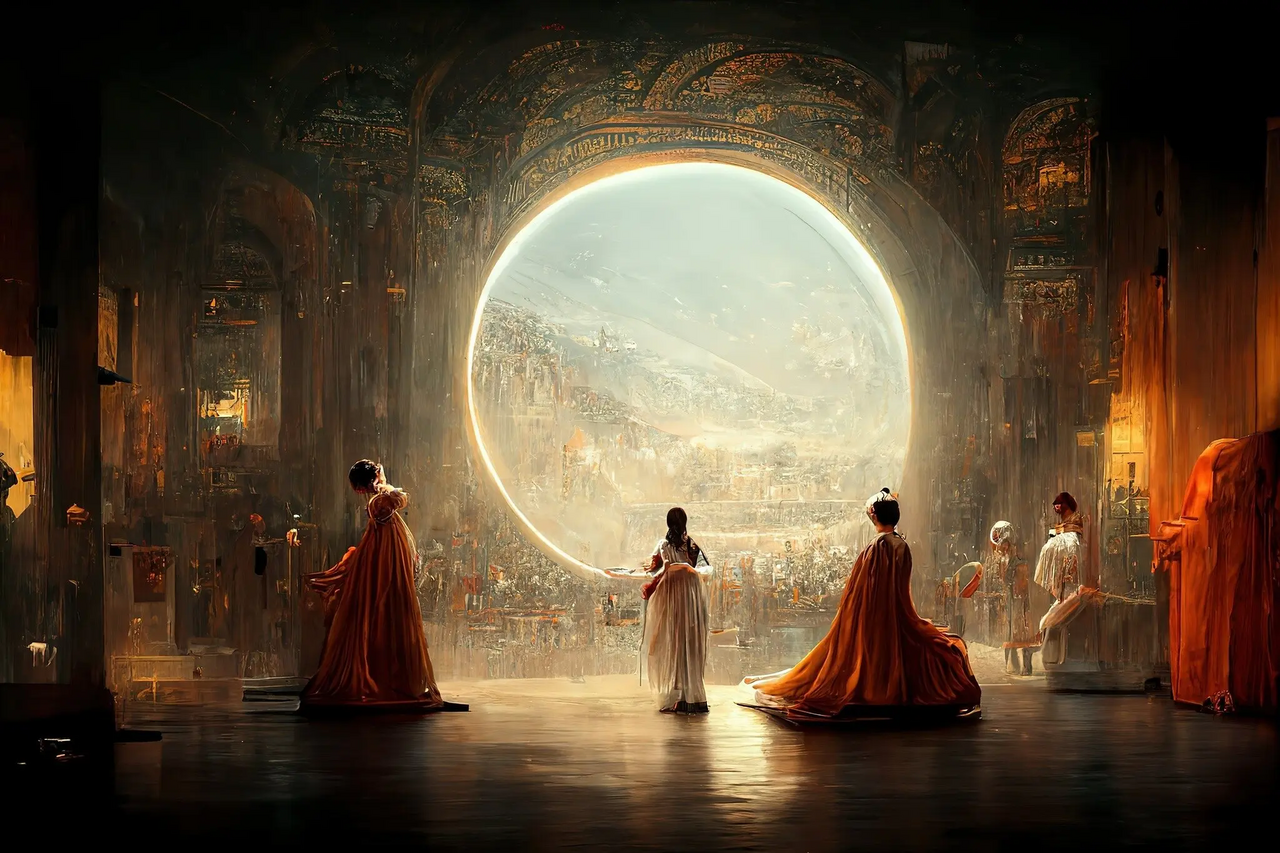
I'm not quite sure if this is isolated to the tech industry, but I feel bombarded at the moment with a new AI solution every day. 'Click here to see five websites that feel illegal to know!! Want to write a full page of copy for your next social media campaign? Follow this link. Fancy winning a state fair art competition with minimal effort? Boy have I got the thing for you.' Such was the case for Jason Allen who took home first place in the digital category of the Colorado State Fair with his art piece 'Théâtre D’opéra Spatial' [1]. He used a platform called Midjourney and its bot which forms a series of auto-generated imagery based on written prompts. The people behind Midjourney's technology are a community of artificial intelligence enthusiasts using its technology as a means of 'expanding the imaginative powers of human thought.'Allen has argued that his intent was to provoke the nature of authorial origin and ownership, and he definitely managed to stir the pot. The source of all rational discourse online (Twitter) was the hotbed for thousands of people discussing the validity of his artwork, many citing the fact that because an 'authorless' piece of work took the prize from someone who spent hours crafting an 'original' art piece, then he was essentially stealing their prize [2]. Notice that I added apostrophes to the ideas of authorship and originality in that previous sentence. That's because this whole situation throws a lot of philosophical conundrums into the mix.
AI tools like Midjourney or DALL.E are able to generate customised and entirely new imagery from a user's written prompts, but has first used source material as a reference. At one point, someone fed these AI images prompts from human artists so that the AI could learn from their previous work: patterns, styles, font types, shading, colour choice, anatomy, and everything else that goes into creating artwork.
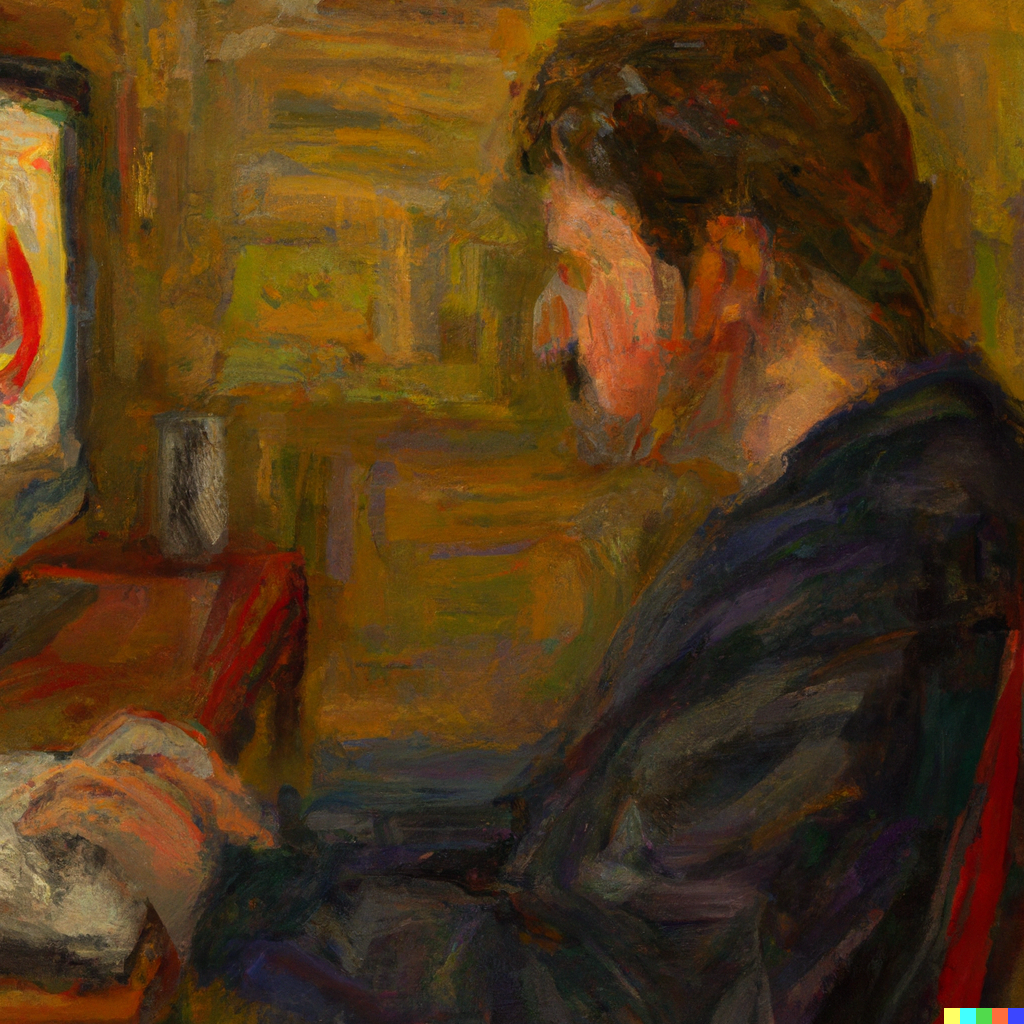
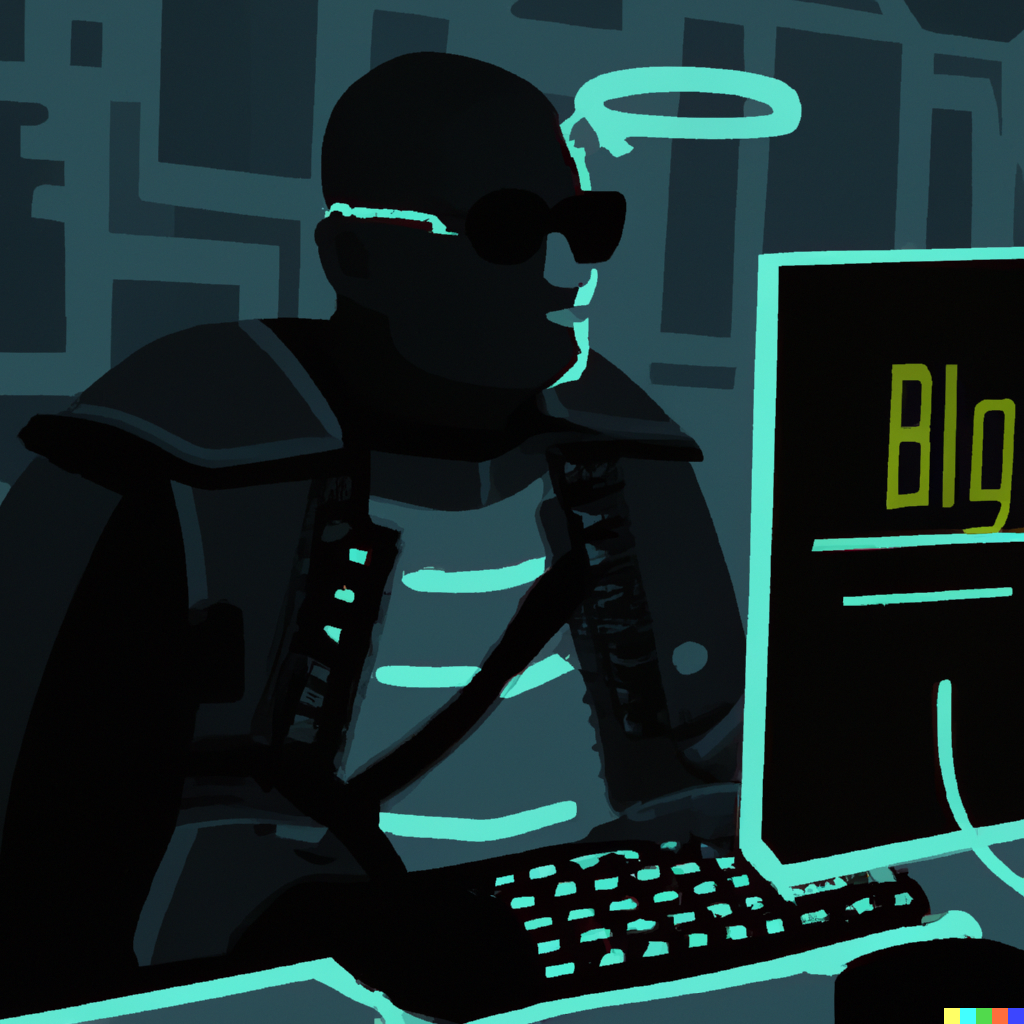
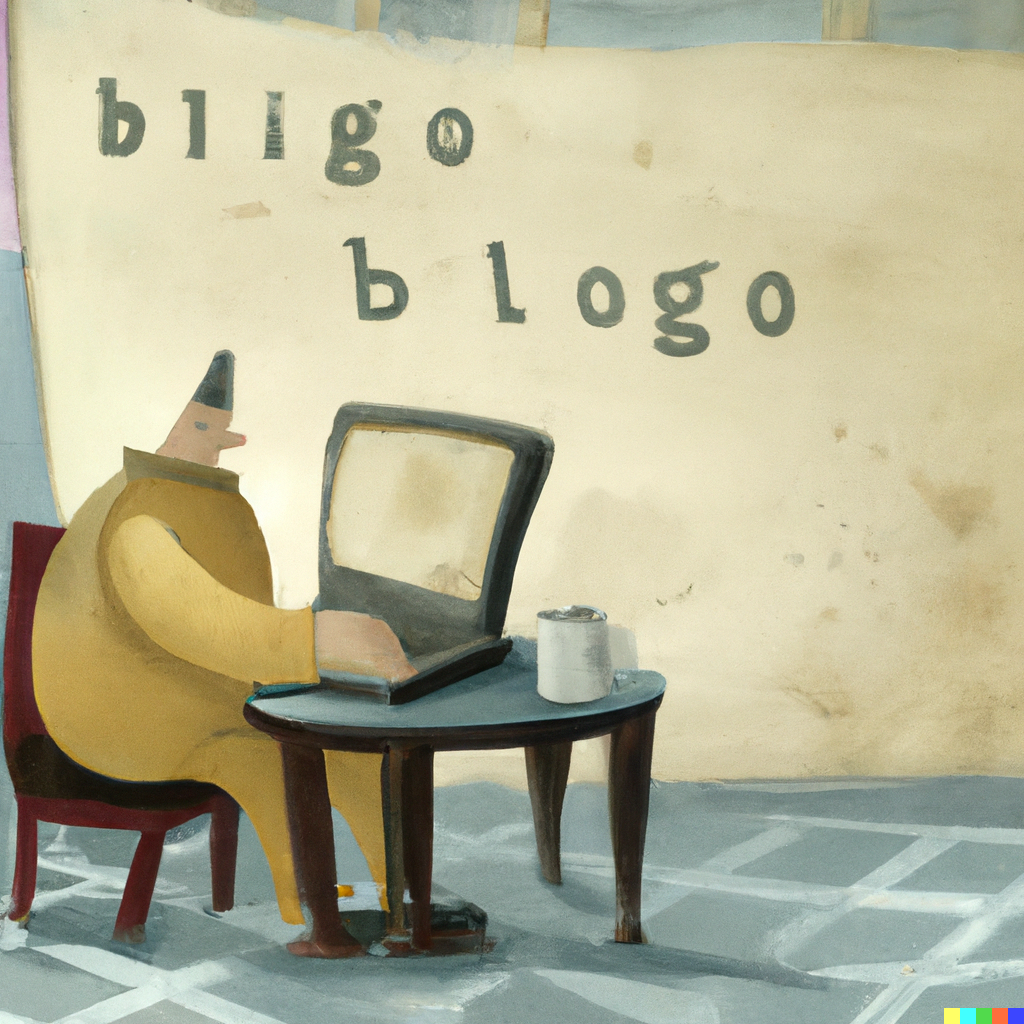
Take these images above for example. I fed the DALL.E engine prompts about 'a man sitting at his computer writing a blog post.' Now, these images didn't exist before I manufactured them; they took me seconds to generate and embed into this article. Is it fair to say that I am their creator? Personally, I don't feel a sense of ownership towards them because I don't feel a sense of pride or a willingness to share them as representative of what I can produce beyond this one very specific example.
But then, the counter-argument exists that no artist's creativity exists in a vacuum. J.R.R. Tolkien spoke about this often in his essay On Fairy-Stories using the analogy of a 'pot of soup'. The soup describes how authors from decades and centuries past have used this communal soup as a source of inspiration, taking from it their own bowls of sustenance time and again; giving back their contribution to the recipe when they are finished and constantly re-inventing the recipe as time goes on [2].
Therein lies the conundrum that Allen brashly provoked. We accept that to create something novel and new, finding inspiration is encouraged if not always a requirement. But by throwing AI into the mix, have we cracked the seal of the pot and endangered the professions of human artists in the process?
No, I don't see it that way. Time and again, people have chafed at the idea of technology destroying what it means to express human identity. When cameras were developed and captured the 'real' image of the world, painters turned instead to surrealism and expressionism to convey their ideas and emotions. But at the end of the day - it's us, the viewer who is deriving the meaning from these images. "We the viewers are, in the end, the ultimate artists. We’re the ones creating the world that is coming in through our eyeballs. That world is in our mind." [13]
This article was originally written and published on my Ghost blog, October 2022 ↩